Mental Health
BSL
What is the Mental Health hub?
The Mental Health Hub is led by Dr. Sara Rhys-Jones (Principal Clinical Psychologist, Swansea Bay UHB) and Dr. Julia Terry (Associate Professor, Swansea University). This hub promotes good mental health and seeks to improve access to mental health services for deaf people in Wales by identifying service gaps, collecting data, and empowering communities through better signposting, resources, and stakeholder engagement.
Accessible Support
We’re creating BSL-accessible mental health resources to ensure deaf people can get the support they need. Our work is focused on breaking down barriers to care and making services more inclusive and responsive across Wales.
Building Resilience
Our hub empowers deaf individuals and communities by promoting resilience, connection, and peer support. We shine a light on critical issues like social isolation, suicide risk and discrimination, and work to strengthen community wellbeing.
Closing the Gaps
By gathering data and highlighting ongoing issues, we’re showing where support is lacking. This helps policymakers, professionals, and communities address inequality and develop evidence-based solutions that truly meet the needs of deaf people.
Supporting Every Stage
We’re identifying practical ways to improve environments for deaf children, families, and adults. From education to mental health, we’re championing accessible support that promotes inclusion and thriving at every life stage.
What are we doing?
Promote ACTivate Your Life
Free BSL course offering practical tools to support emotional and mental well-being in Wales.
Awareness Sessions
Accessible sessions across Wales to boost awareness, early help, and peer support knowledge.
SignHealth Access
Promoting BSL resources on anxiety, depression, and trauma for better-informed deaf communities.
Listening to Wales
Engaging deaf people to understand what support would truly benefit their mental health.
Too many deaf people in Wales struggle with their mental health and can’t get support in BSL. We want to change that.

Facts & Figures
-
Deaf people are twice as likely to experience mental health problems than hearing individuals
-
30–60 % of deaf individuals experience mental health issues during their lifetime, compared to hearing peers
-
Lack of BSL-accessible mental health help is a key barrier to early intervention for deaf people
-
Approximately 40 % of Wales’ 575,000 deaf population will face mental health problems
-
36 % of deaf people experienced anxiety; 16 % reported depression in a recent study
-
7,200 BSL users live in Wales, emphasising critical need for accessible mental health services
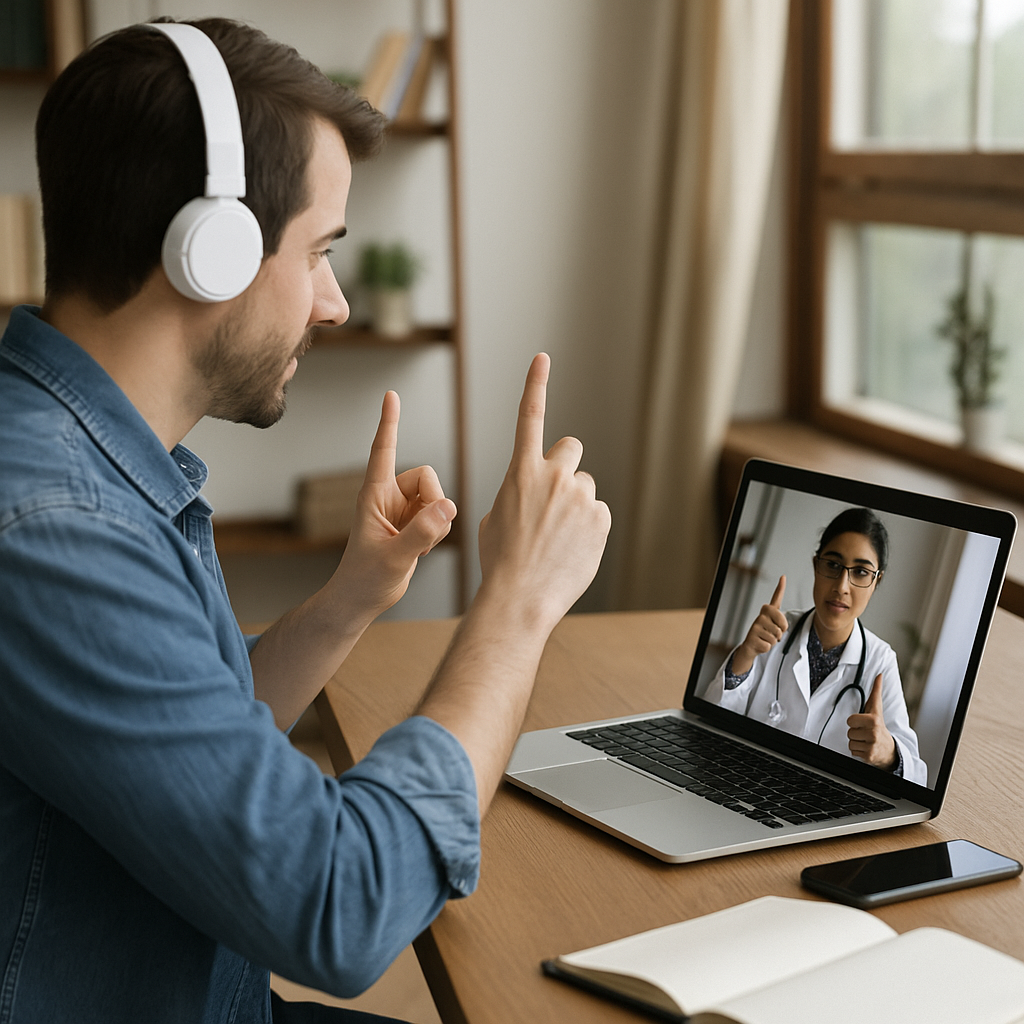
We want to hear from deaf individuals about mental health support in Wales your stories matter
We want to hear from deaf individuals about mental health support in Wales.
Your stories matter. Whether it’s about school, access to services, or finding support, you can help inform change. Share your experience or register interest in our upcoming roadshows.
FAQs
This hub addresses serious gaps in deaf mental health care and aims to shape future services by gathering evidence, sharing stories, and highlighting community needs.
This hub is vital to help us suggest solutions to improve deaf BSL signers’ patient experience. It will enable us to collect, record and analyse data to help us report issues, trends, and to help us formulate recommendations for positive change.
We’re promoting resources like ACTivate Your Life, gathering stories from deaf people, and reaching out through roadshows to learn what needs changing.
Deaf people are too often overlooked in mental health care planning. This hub helps change that by giving deaf people a voice and spotlighting critical issues.
Our Welsh Government and health boards always ask to see robust evidence to support calls for changes to improve the experience of deaf BSL signers in Wales. It is important to involve deaf patients, interpreters and others to gather this body of evidence.
You can share your story, get involved with roadshows, or simply spread the word. Email us to get started.
We would love your help – it may simply be sharing experiences or maybe helping us bring deaf people and others together in your area. We would be happy to discuss this informally with you.